



Fossil resources are a cornerstone of modern civilization, providing the energy and materials that power industries, homes, and transportation systems. However, their origin, usage, and impact raise significant environmental and economic concerns. Let’s dive into what fossil resources are, how they are used, and what their future looks like in a rapidly changing world.
What Are Fossil Resources?
Fossil resources are naturally occurring materials derived from the remains of ancient plants and animals buried over millions of years. These organic materials were subjected to intense heat and pressure within the Earth’s crust, transforming them into:
- Coal: Formed primarily from ancient plant matter in swampy environments.
- Petroleum (Crude Oil): Derived from tiny marine organisms and algae.
- Natural Gas: Composed mostly of methane, it often accompanies petroleum or forms independently.
These resources are considered non-renewable because their formation takes millions of years, far exceeding the rate at which we consume them.
How Fossil Resources Power Our World
Fossil fuels are indispensable in modern life. Here’s how they are used:
1. Energy Production
- Electricity Generation: Coal and natural gas power plants supply a significant portion of the world’s electricity.
- Heating: Natural gas is widely used for residential and industrial heating.
2. Transportation
- Gasoline and diesel, refined from crude oil, power vehicles, planes, and ships globally.
3. Industrial Applications
- Plastics and Chemicals: Petroleum serves as a raw material in manufacturing plastics, fertilizers, and synthetic fabrics.
- Steel Production: Coal is crucial for smelting iron ore into steel.
4. Everyday Products
Many household items, from cosmetics to detergents, have ingredients derived from fossil resources.
Environmental Impacts of Fossil Resources
While fossil fuels have revolutionized society, their extraction and consumption have far-reaching consequences:
1. Greenhouse Gas Emissions
Burning fossil fuels releases carbon dioxide (CO₂) and methane (CH₄), which contribute to global warming and climate change.
2. Air and Water Pollution
Extraction processes can lead to oil spills, contaminated water, and air pollution, harming ecosystems and human health.
3. Habitat Destruction
Mining and drilling often disrupt local ecosystems, leading to loss of biodiversity.
The Future of Fossil Resources
With growing awareness of their environmental impact, the global energy landscape is shifting:
1. Renewable Energy Alternatives
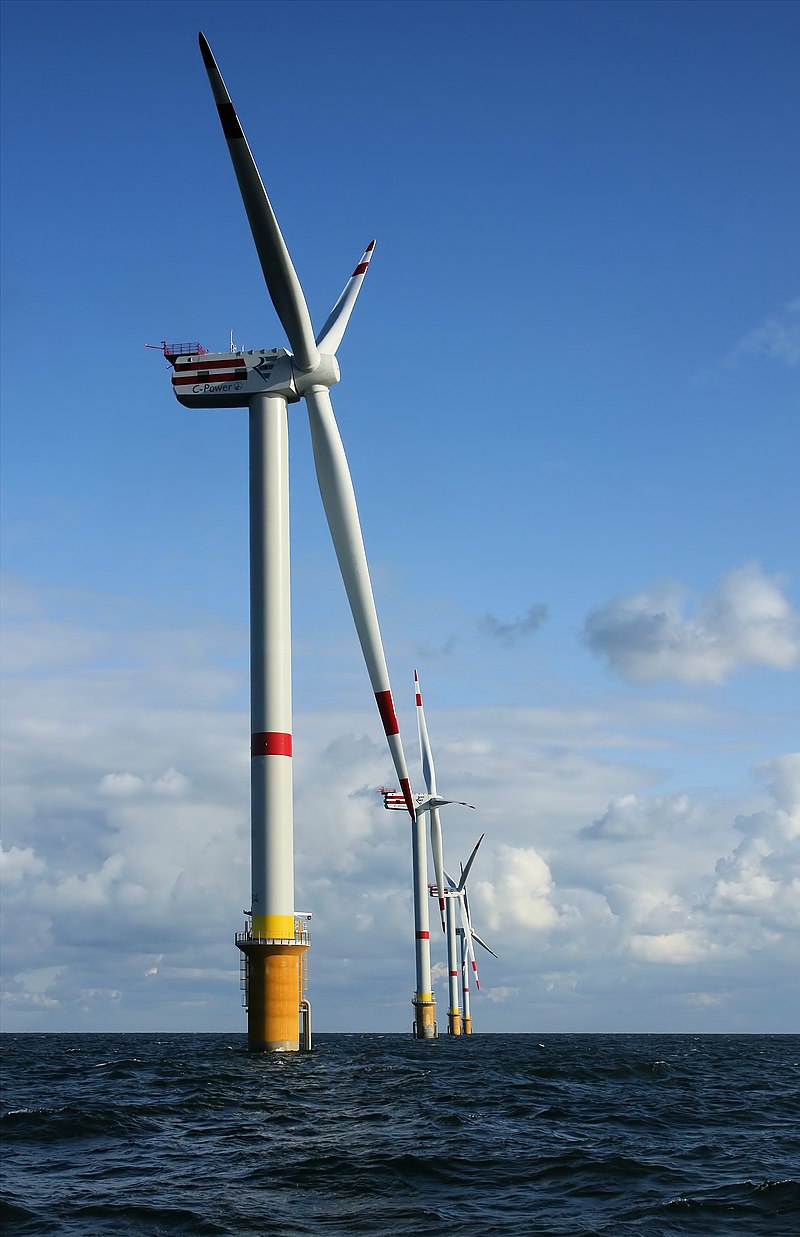
Solar, wind, and hydropower are emerging as sustainable energy solutions, gradually replacing fossil fuels.
2. Energy Efficiency
Innovations in technology, such as electric vehicles and energy-efficient appliances, aim to reduce dependence on fossil fuels.
3. Carbon Capture and Storage (CCS)
Efforts to capture and store CO₂ emissions from fossil fuel use are being explored to mitigate environmental damage.
The Urgent Need to Transition from Fossil Fuels to Solar Power
The global reliance on fossil fuels—coal, oil, and natural gas—has powered our world for over a century. However, this energy source has come at a steep environmental, social, and economic cost. As climate change intensifies and fossil fuel reserves dwindle, the need for a clean, renewable energy alternative has never been clearer. Solar power, a sustainable and abundant energy source, is emerging as the ideal replacement. Here’s why we must transition from fossil fuels to solar energy.
The Problems with Fossil Fuels
1. Environmental Degradation
- Climate Change: Fossil fuel combustion is the largest contributor to greenhouse gas emissions, primarily carbon dioxide (CO₂). These gases trap heat in the Earth’s atmosphere, leading to rising global temperatures, extreme weather events, and ecosystem disruption.
- Air Pollution: Burning coal, oil, and natural gas releases harmful pollutants such as sulfur dioxide, nitrogen oxides, and particulate matter, causing respiratory and cardiovascular diseases.
2. Resource Depletion
- Fossil fuels are finite resources formed over millions of years. As reserves become harder to access, extraction becomes more expensive and environmentally damaging.
3. Economic Volatility
- The fossil fuel industry is subject to price fluctuations, geopolitical tensions, and market instability, creating uncertainty for economies and consumers.
4. Energy Inequality
- Fossil fuel infrastructure often leaves developing regions without access to reliable energy, while wealthier nations dominate consumption.
Why Solar Power Is the Solution
Solar power offers a cleaner, more sustainable alternative to fossil fuels. Here’s why switching to solar energy is essential:
1. It’s Renewable and Abundant
- The sun provides more energy in one hour than the entire world consumes in a year. Unlike fossil fuels, solar energy is inexhaustible and available globally.
2. Zero Emissions
- Solar panels generate electricity without releasing greenhouse gases or pollutants, significantly reducing the carbon footprint of energy production.
3. Cost-Effectiveness
- The cost of solar panels has dropped dramatically over the last decade, making solar power more affordable than fossil fuels in many regions. Additionally, solar energy systems have low maintenance costs and long lifespans.
4. Energy Independence
- Solar power decentralizes energy production, allowing individuals and communities to generate their own electricity. This reduces reliance on centralized fossil fuel power grids and enhances energy security.
Conclusion
The transition from fossil fuels to solar power is not just an environmental imperative—it’s an economic and social necessity. By harnessing the power of the sun, we can combat climate change, reduce pollution, and build a sustainable energy future.
The shift to solar power represents hope for a cleaner, healthier planet. Now is the time to act and embrace this renewable revolution.


Leave a Reply