


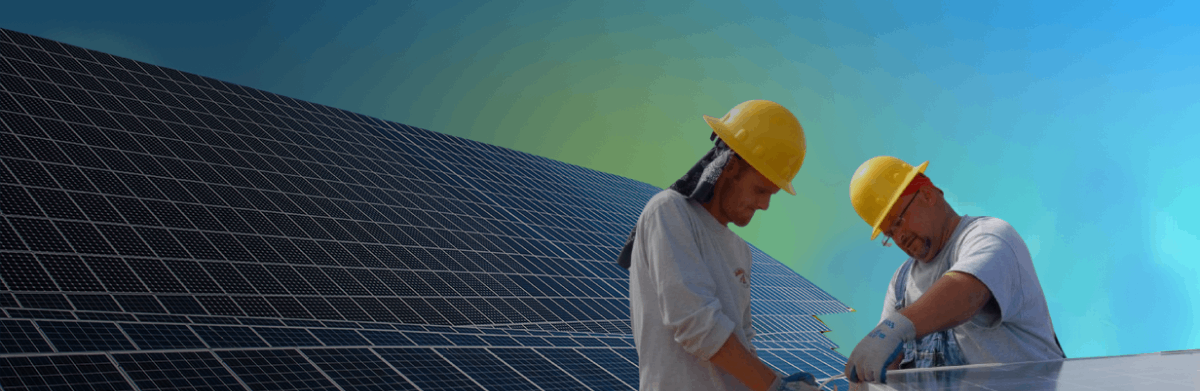
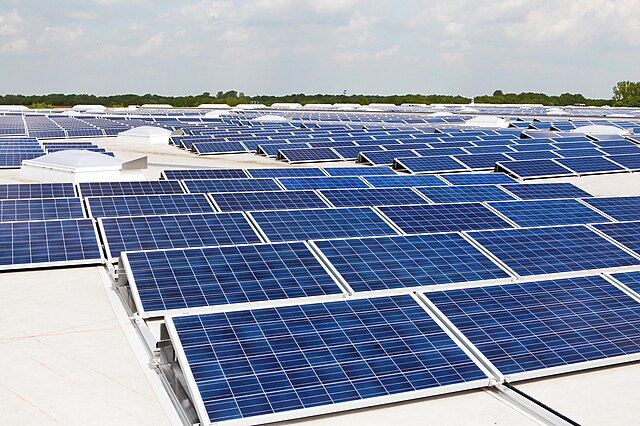
Solar panels generate clean energy that can significantly reduce your reliance on the grid. This means lower electricity bills and potential long-term savings. Homes with solar panels often sell for more than those without. Potential buyers are increasingly attracted to properties that are energy-efficient and environmentally friendly. Solar energy is a renewable resource that doesn’t contribute to greenhouse gas emissions or pollution. By choosing solar, you’re helping to protect the planet.
Solar panels give you greater control over your energy source. You’re less reliant on the grid, which can be beneficial during power outages or fluctuations in energy prices. Many governments offer incentives, such as tax credits or rebates, to encourage the adoption of solar energy. These can help offset the initial cost of installation.
5 Advantages of Embracing Solar Power for Your Home
1. Reduce Electricity Bills
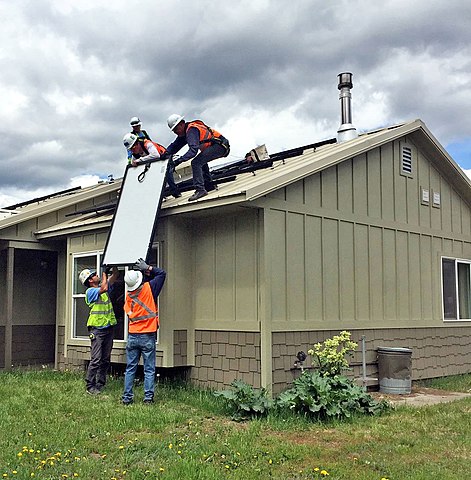
Are you tired of the relentless rise in electricity bills, constantly straining your budget? Are you seeking a sustainable and cost-effective solution to reduce your energy expenses? Look no further than solar panels. With solar power, you can break free from the shackles of high electricity costs and embrace a cleaner, more independent future.
Solar panels are designed to harness the power of the sun and convert it into electricity. This process, known as photovoltaic energy conversion, involves the use of semiconductor materials that absorb sunlight and generate an electrical current. When sunlight strikes the solar panels, the energy is absorbed by the semiconductor material, creating electron-hole pairs. These pairs are separated by an electric field, causing a current to flow through the panel.
One of the most significant advantages of solar panels is the potential to significantly reduce your monthly electricity costs. By generating your clean energy, you’ll be drawing less power from the grid, leading to substantial savings over time. In many cases, the savings from reduced electricity bills can far outweigh the initial investment in solar panels.
Factors Affecting Solar Panel Savings
A few factors affect the electricity bill savings due to solar panels. These factors are Sun Exposure, Energy Consumption, Government Incentives,
Sun Exposure
The amount of sunlight your panels receive directly impacts their energy production. Homes with ample sunlight exposure, such as those with south-facing roofs in regions with high solar irradiance, are ideal candidates for solar installation. However, even homes with less sunlight exposure can still benefit from solar power, although the energy output may be lower. Consider factors like shading from trees, buildings, or other obstructions that can reduce the amount of sunlight reaching your panels. By carefully assessing your home’s sun exposure, you can determine the optimal placement and orientation for your solar panels to maximize their energy production.
Energy Consumption
Your home’s energy usage is a crucial factor in determining the size of the solar panel system you need. The more energy you consume, the larger the solar panel system you’ll need to generate enough electricity to meet your needs. For example, a home with high energy consumption, such as one with multiple appliances, air conditioning, or heating systems, will require a few number solar panels to offset its energy usage. Conversely, a home with lower energy consumption, such as one with energy-efficient appliances and a smaller living space, may be able to meet its energy needs with a smaller number of solar panels. Understanding your home’s energy consumption patterns can help you determine the optimal size of your solar panel system to maximize your savings and meet your energy needs effectively.
Government Incentives
Government incentives can vary significantly from region to region, and it’s crucial to research the specific incentives available in your area. Some common types of government incentives include tax credits, rebates, and feed-in tariffs. Tax credits are often offered at the federal and state levels, and they can significantly reduce the upfront cost of solar panel installation. Rebates are typically provided by state or local governments, and they can offer a lump sum payment towards the cost of your solar system. Feed-in tariffs allow you to sell excess electricity generated by your solar panels back to the grid at a premium rate, providing additional revenue on top of your energy savings. It’s important to note that the availability and value of government incentives can change over time, so it’s advisable to consult with a solar energy professional or local government office to get the most up-to-date information.
One of the most popular Government schemes for home solar power is PM Surya Ghar: Muft Bijli Yojana.
PM – Surya Ghar: Muft Bijli Yojana
The Muft Bijli Yojana, launched by Prime Minister Narendra Modi on February 15, 2024, is a government initiative to provide free electricity to households in India. Through this scheme, households receive a subsidy to cover up to 40% of the cost of installing solar panels on their rooftops. The program aims to benefit 1 crore households across the nation and is projected to save the government Rs. 75,000 crore annually in electricity expenses.
2. Increased Property Value
Studies have shown that homes with solar panels often have higher property values compared to those without. Potential buyers are increasingly attracted to properties that are energy-efficient and environmentally friendly. This is because solar panels demonstrate a homeowner’s commitment to sustainability and can lead to lower energy costs for future owners. Additionally, solar panels can add a modern and stylish aesthetic to a home, making it more appealing to potential buyers.
3. Environmental Impact
Solar energy is a clean and renewable source of electricity, meaning it doesn’t produce harmful greenhouse gas emissions like traditional fossil fuels. By using solar panels, you’re contributing to a healthier planet and reducing your carbon footprint. This is especially important in today’s world, where climate change is a major concern. Solar energy helps to mitigate the effects of climate change by reducing our reliance on fossil fuels and reducing greenhouse gas emissions. Additionally, solar energy can help to improve air quality by reducing pollution from power plants.
4. Energy Independence
Solar panels can provide you with a degree of energy independence. By generating your own electricity, you become less reliant on the grid and are less vulnerable to power outages or fluctuations in energy prices. This can be particularly beneficial in areas that are prone to natural disasters or where the grid is unreliable. Additionally, energy independence can give you a sense of control over your energy consumption and reduce your reliance on fossil fuels.
Conclusion
Installing solar panels at your home can be a significant investment, but it offers numerous benefits that make it a worthwhile endeavour. By reducing electricity bills, increasing property value, protecting the environment, achieving energy independence, and qualifying for government incentives, solar panels provide a sustainable and cost-effective solution for homeowners.

Leave a Reply