


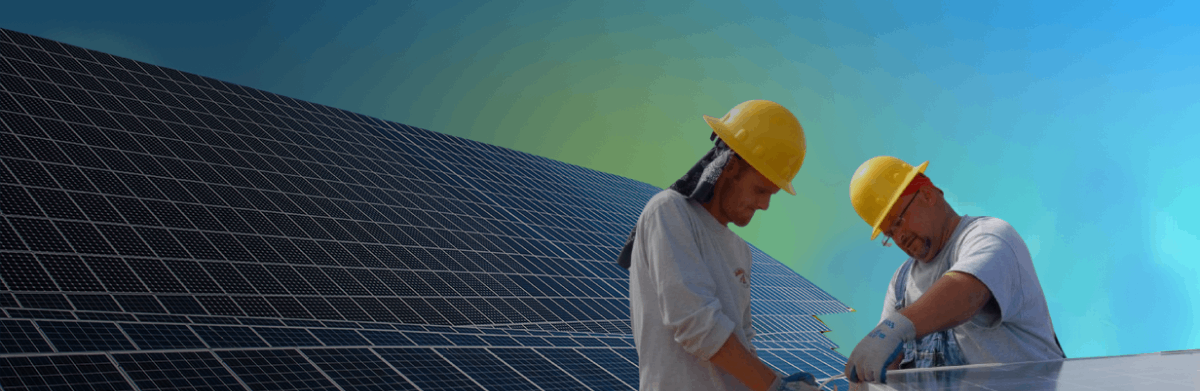
In an era where sustainability and self-sufficiency are becoming increasingly important, off-grid solar systems offer a compelling solution. Unlike traditional grid-tied systems, off-grid solar allows homeowners to generate and store their own electricity, providing independence from the utility grid. This blog post will dive into what off-grid solar systems are, their benefits, how they work, and tips for setting up your own system.
What is an Off-Grid Solar System?
An off-grid solar system, also known as a stand-alone power system (SAPS), is designed to operate independently of the public power grid. It consists of solar panels, a battery bank, and an inverter. These systems are particularly popular in remote areas where grid access is unavailable or unreliable, but they are also used by those who want to achieve complete energy independence.
Also, the off-grid solar system functions autonomously from the electrical grid, serving as a self-sufficient power source. These systems are built to produce and store sufficient energy to fulfil all of a household’s power requirements, eliminating any dependence on external power sources.
Benefits of Off-Grid Solar Systems
- Energy Independence: One of the primary benefits is the ability to generate and store your own power, reducing or eliminating reliance on the utility grid.
- Environmental Impact: Off-grid systems utilize renewable solar energy, reducing your carbon footprint and contributing to a sustainable future.
- Cost Savings: While the initial setup can be expensive, off-grid systems can save money in the long run by eliminating electricity bills and avoiding grid-related costs and outages.
- Reliable Power: With a properly sized system and battery storage, you can have a reliable source of power even during grid outages.
- Remote Access: Off-grid systems are ideal for remote locations where extending the grid would be prohibitively expensive.
Components of an Off-Grid Solar System
- Solar Panels: These capture sunlight and convert it into electricity. The number of panels needed depends on your energy consumption and available sunlight.
- Battery Bank: Stores excess solar energy for use when the sun isn’t shining, such as at night or during cloudy days. The size of the battery bank depends on your energy needs and desired autonomy.
- Inverter: Converts the direct current (DC) electricity generated by the panels and stored in batteries into alternating current (AC), which is used by most household appliances.
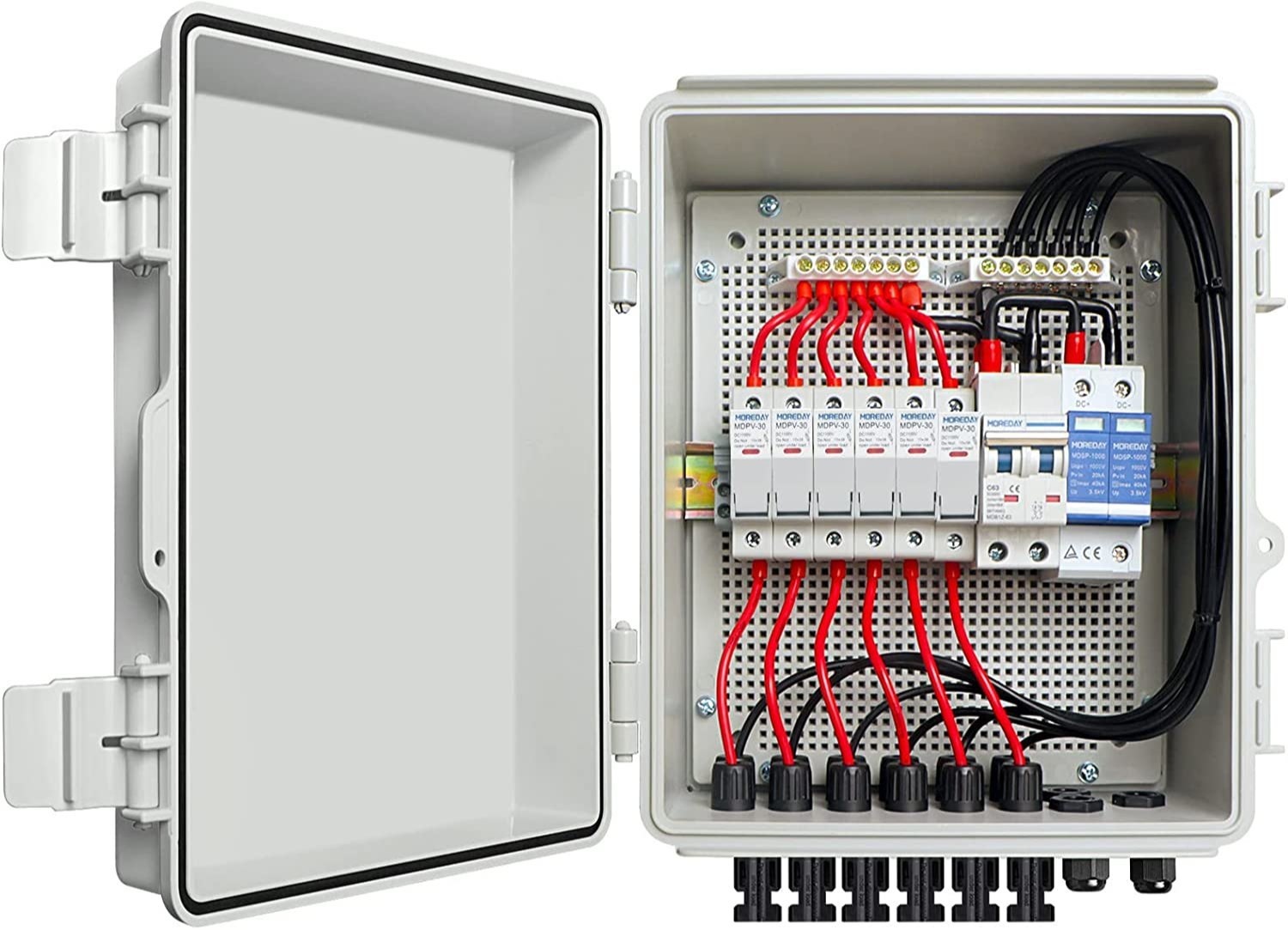
- Charge Controller: Regulates the voltage and current coming from the solar panels to ensure the batteries are charged properly without being overcharged.
- Backup Generator: Provides a backup power source during periods of low solar production or high energy demand.
Setting Up an Off-Grid Solar System
- Assess Your Energy Needs: Determine your average daily energy consumption to size your system appropriately. This includes considering peak energy usage and ensuring your system can handle it.
- Evaluate Your Location: Assess the available sunlight and roof space. More sunlight and space will allow for more solar panels and higher energy production.
- Choose Quality Components: Invest in high-quality solar panels, batteries, inverters, and charge controllers. This ensures the efficiency and longevity of your system.
- Consider Battery Storage: Decide on the type and capacity of batteries that will best suit your needs. Options include lead-acid, lithium-ion, and more.
- Install the System: Hire a professional installer with experience in off-grid systems to ensure proper setup and compliance with local regulations.
- Monitor and Maintain: Regularly check and maintain your system to ensure it operates efficiently. This includes cleaning panels, checking battery health, and inspecting components.
Conclusion
Off-grid solar systems offer a viable and sustainable solution for those looking to achieve energy independence and reduce their environmental impact. By understanding the components and steps involved, you can successfully transition to an off-grid lifestyle. Whether you’re in a remote location or simply want to cut ties with the grid, off-grid solar provides a reliable and cost-effective way to power your home.
Are you ready to embark on your journey towards energy independence with off-grid solar?
Leave a Reply