


IInverters are an important component of PV Systems. The function of the grid-connected PV inverter is to extract maximum power from the PV modules (by optimising the inverter’s input impedance) and convert DC power into AC power with the available grid’s phase, frequency, and voltage to feed the PV power to the grid. Designed anti-islanding by shutting down itself (and hence the PV generation) in case of grid failure. The inverter operates only when the grid supply is available. At the time Power Generation will not feed into the grid. It ensures the protection of the PV system from the DC- side (i.e. PV side) for reverse polarity, overcurrent, overvoltage and surge.
It also ensures the AC side (i.e. grid-side) for grid-fault (e.g. over/ under-voltage, over/ under frequency, high rate of change of frequency, etc.), ground fault, residual current or fault conditions.
Inverters should be rated for appropriate Ingress Protection (IP). Single-phase string inverters, typically up to around 10 kW, give an output of 240 VAC, 1φ, 50 Hz; while three-phase string inverters give an output of 415 VAC, 3φ, 50 Hz. It is also a general practice to use three numbers of single-phase inverters to provide a net three-phase output. For larger rooftop PV systems, central inverters of capacities more than 100 kW are often used, in this case, the output voltage is stepped up to 11 kV or above using step-up transformers. PV inverters have generally 96-98 percent efficiency.
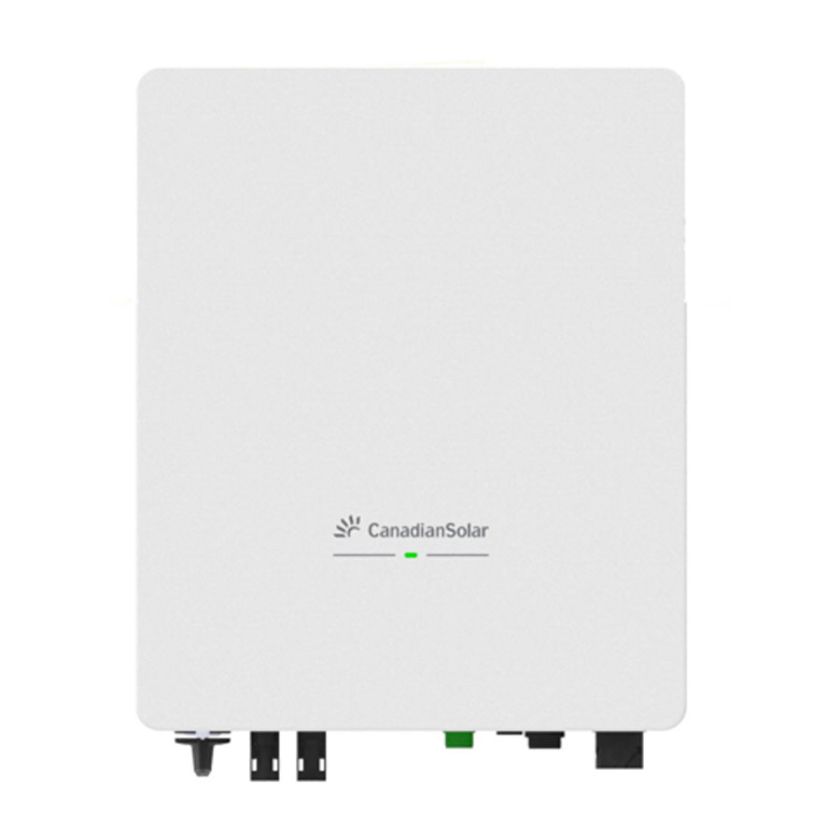
Solar Inverters are classified 3 types
- Grid- Connected Inverter
- Off-Grid or Stand-alone inverter
- Hybrid Inverter
Grid-connected Solar Inverters are further classified below as per their rated capacity
- Central Inverter
- String Inverter
- Micro Inverter
- Power Optimizer
Leave a Reply